Cincinnati, Ohio — Since 1998
How Dewey's Pizza Grew From Cincinnati
A neighborhood pie that stayed sit-down.
Our Story
Dewey's Pizza began in the Cincinnati area in 1998 and grew across five Midwestern states: Ohio, Kentucky, Illinois, Kansas, and Missouri.
The story starts with founder Andrew DeWitt, who came back to Cincinnati in the late 1990s and built the concept around a simple interest in pizza and hospitality. The name comes from his nickname, Dewey. That small, local start still shapes how deweys pizza cooks, serves, and writes its menu — and why dewey's pizza reads as a restaurant first.
Dine-in rooms with named pies and thin crust, plus carryout and counter windows where the site calls for it.
A Cincinnati Beginning
The brand's origin is tied to the Cincinnati metro area, and that hometown base still shows in how the company talks about itself — local first, regional second.
Hometown base
Cincinnati remains central to the company's identity and one of its most important markets. New ideas tend to start close to home, where regulars will tell you quickly what works.
Cincinnati, OH
Local before regional
Company history presents the business as rooted in the neighborhood before it spread. That framing shapes menu development and how each new dining room is introduced.
Est. 1998
Midwest habits
Like many Midwest chains, Dewey's keeps its menu close to its guests — familiar classics up front, room to try something seasonal when you are ready.
Five states
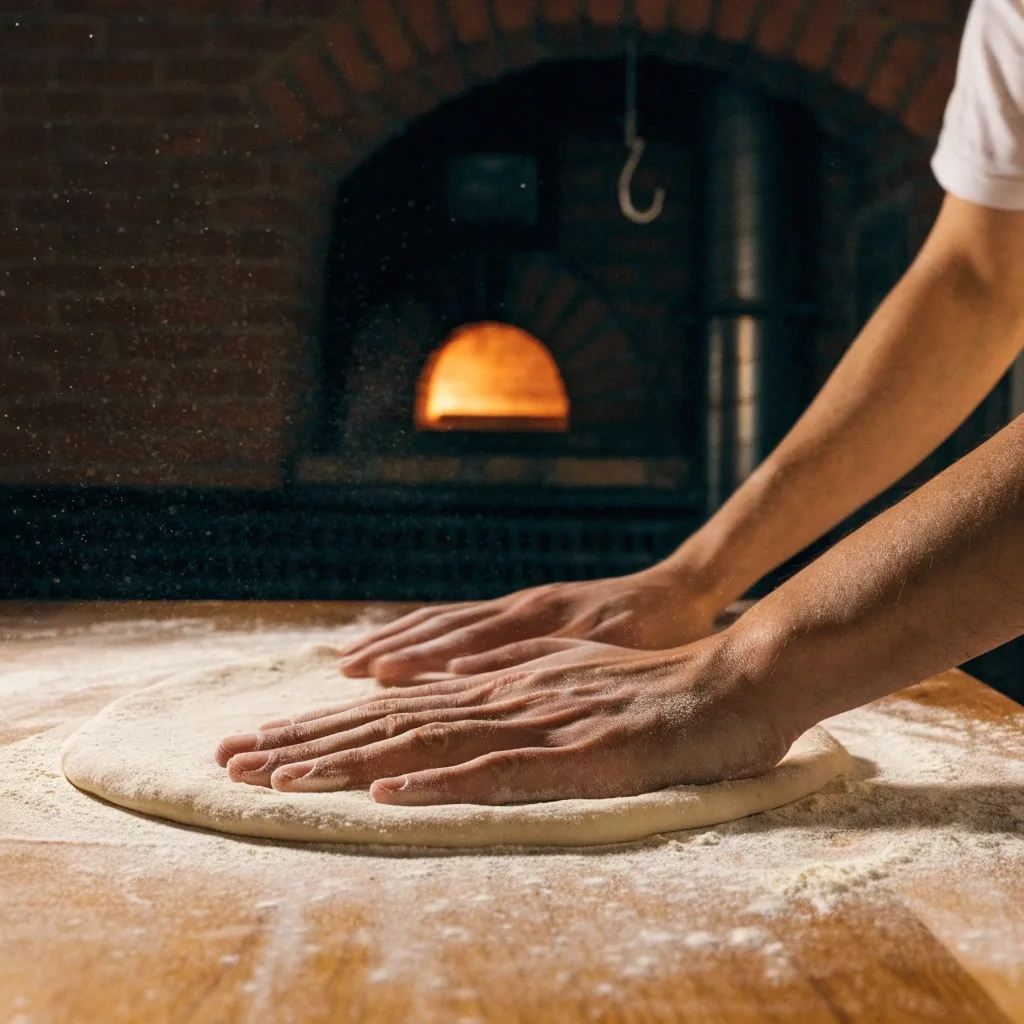
Dough work
Late 1990s
Andrew DeWitt and the Founder's Role
Andrew DeWitt is identified as the founder of Dewey's Pizza. He started the business after returning to Cincinnati in the late 1990s, following a personal interest in pizza and hospitality.
That origin explains why the rooms feel like restaurants rather than pickup counters. Service has a clear point of view: sit down, read the menu, compare a few named pies. Founder-led spots tend to keep their original menu shape longer, and the named-pie list here is the proof — each pie keeps its name and its own topping set.
Dewey itself is DeWitt's nickname, struck onto the door. It is a short name for a sit-down place that wanted to feel familiar from the first visit.
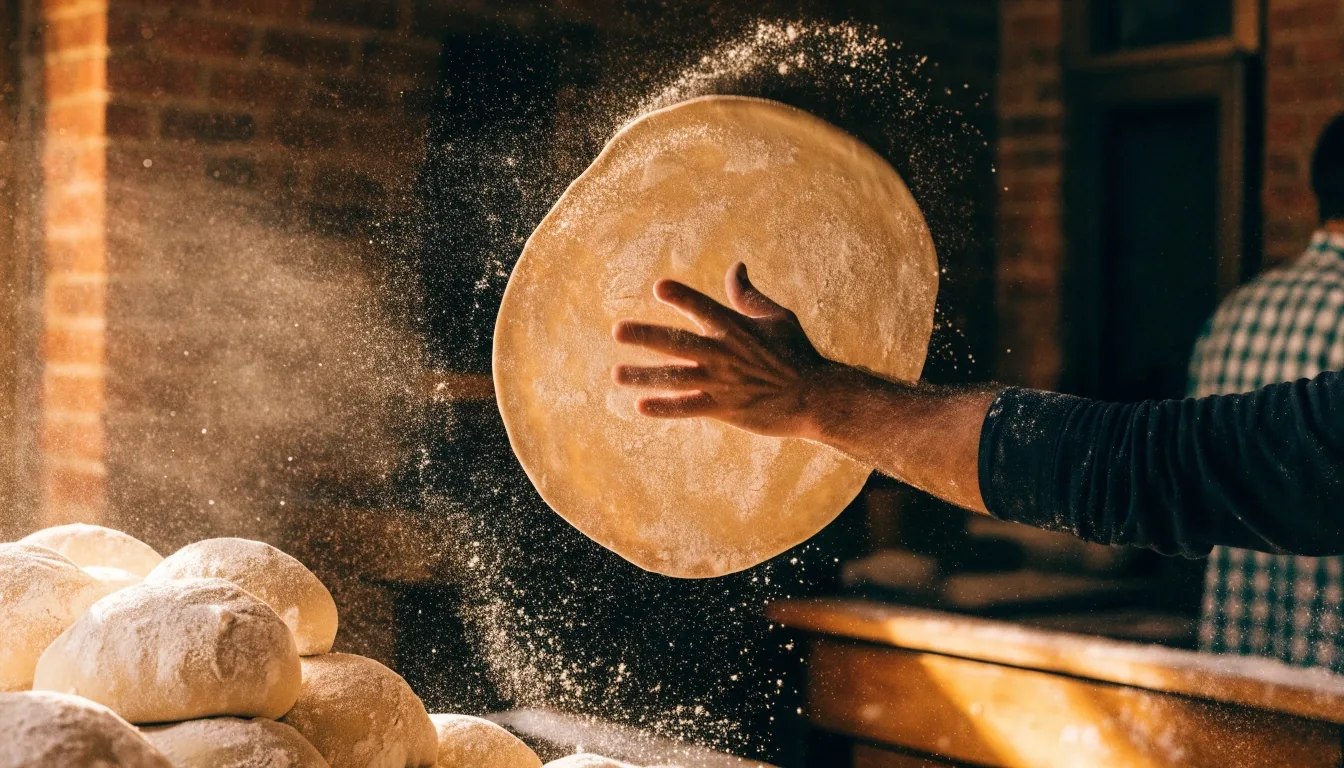
How the room works
Building an Upscale-Casual Concept
Dewey's was built as an upscale-casual, dine-in-focused pizza concept. That means seated service, a menu organized around named specialty pies, and a beer-friendly room where the meal is the point.
It is a different rhythm from a standard takeout shop, where the handoff is the whole visit. Here the menu is meant to be read and compared — crust, sauce, and topping combinations side by side — before you order. Take a minute with it. Regulars do.
What to expect inside
Seated service. Order at the table and stay a while; the room is set up for dinner, not just pickup.
Named pies. Specialty combinations with fixed builds, plus familiar classics for cautious appetites.
Thin crust base. Crisp-edged and easy to share, made to carry heavier topping sets.
Expanding Across Five States
The chain grew from its Cincinnati base into Ohio, Kentucky, Illinois, Kansas, and Missouri — a five-state Midwest footprint rather than a national rollout.
Ohio and Kentucky
Core Cincinnati-area dining rooms, closest to the original kitchen habits.
Dine-in
Illinois and Kansas
Fuller restaurants mixed with quicker formats, matched to each neighborhood.
Mixed
Missouri
Includes the Creve Coeur spot at 736 North New Ballas Road, listed as carryout and counter service.
Carryout
Service varies by site
Check the format before you go. Some rooms are built for a long sit-down dinner; others run as carryout and counter service.
Headquarters reference: 2658 Observatory Ave, Cincinnati, OH 45208. Open Monday – Sunday, 11:00 – 22:00. Call +1-513-321-2339 with questions about a specific room.
Find a location near youThe Specialty Pie Format
A large part of the identity is built around named pies — standard classics next to more elaborate topping combinations, with seasonal pies alongside the permanent list.
Named, not build-your-own
Each pie carries a name and a set ingredient list, which gives the menu a stronger voice than a blank crust. You compare pies the way you compare dishes.
House list
Made to revisit
You try one, form an opinion, and come back for another. The format rewards repeat visits without asking you to invent your own combination.
Repeat visits
Thin crust throughout
A crisp, thin base under every specialty build keeps heavier pies balanced and easy to split at the table.
Thin crust
Seasonal calendar
Seasonal Menu as a Long-Term Strategy
The rotating calendar keeps the menu current without rewriting the classics. Recent autumn entries have leaned harvest-style, including pumpkin-based pies.
Check the seasonal lineupAutumn
Harvest-style pies
Ingredient-forward builds that taste like the season — greens, seeds, and orchard fruit rather than heavier red sauce.
Core list
Classics stay put
Limited-time pies sit next to permanent offerings, so regulars can explore without losing their usual order.
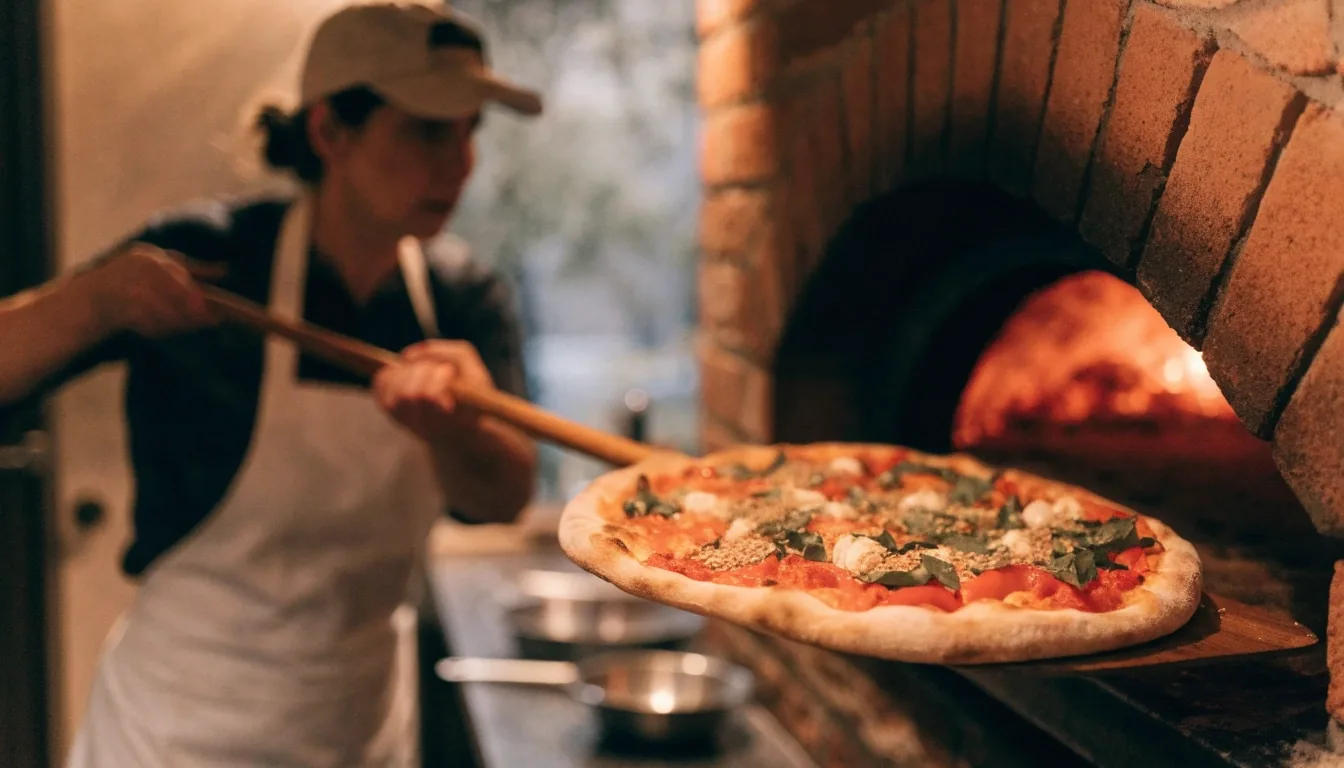
For a regional chain, seasonality is practical: it brings people back through the door without overhauling the whole menu each year.
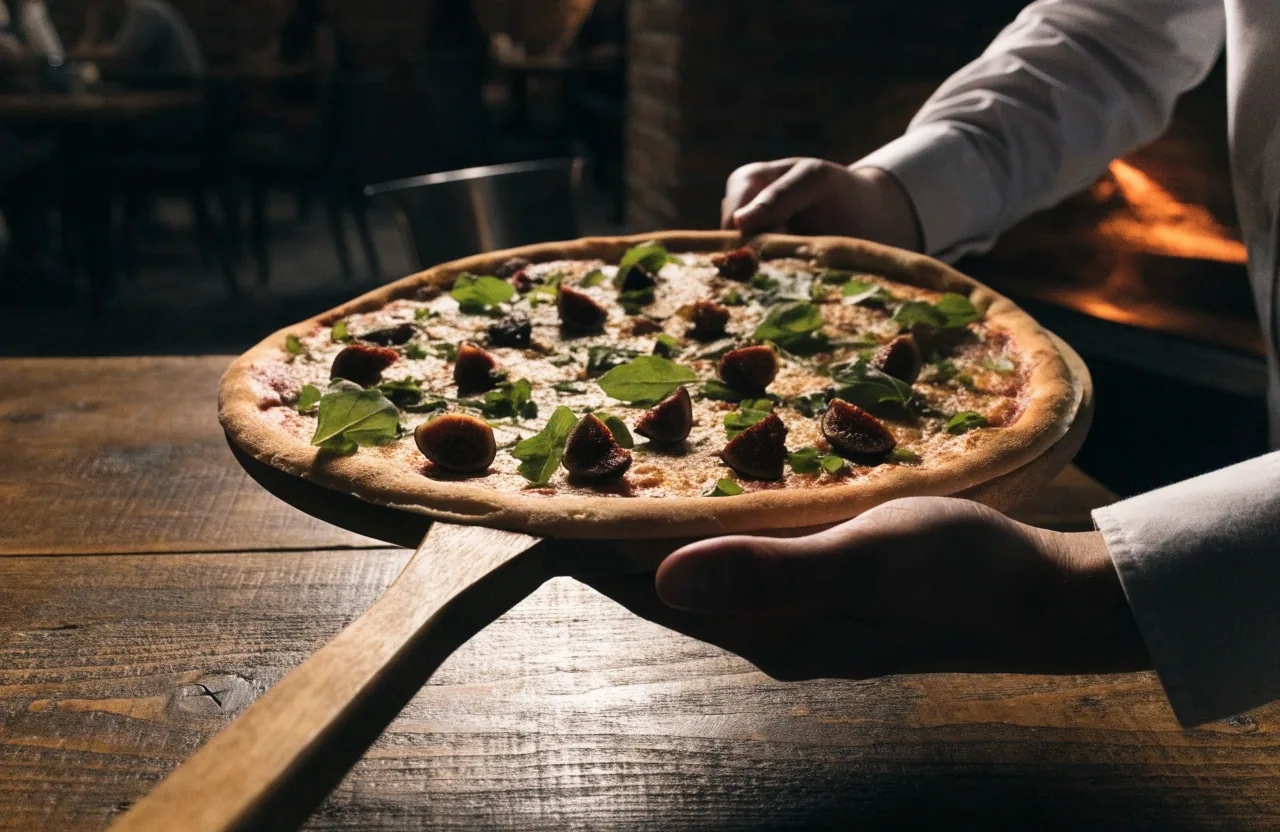
Harvest pie · Still life
Thin crust
A Harvest Example
The Harvest seasonal pizza shows how far the kitchen will push a specialty pie. It tops the crust with field greens, toasted pumpkin seeds, figs, Boursin cheese, Nueske's applewood smoked bacon, and apple cider vinaigrette.
It eats more like a salad than a standard red-sauce pie — bright, sharp, and deliberately different from the core lineup. That willingness to build ingredient-first is what separates the seasonal side of deweys pizza from everyday orders.
See the specialty menu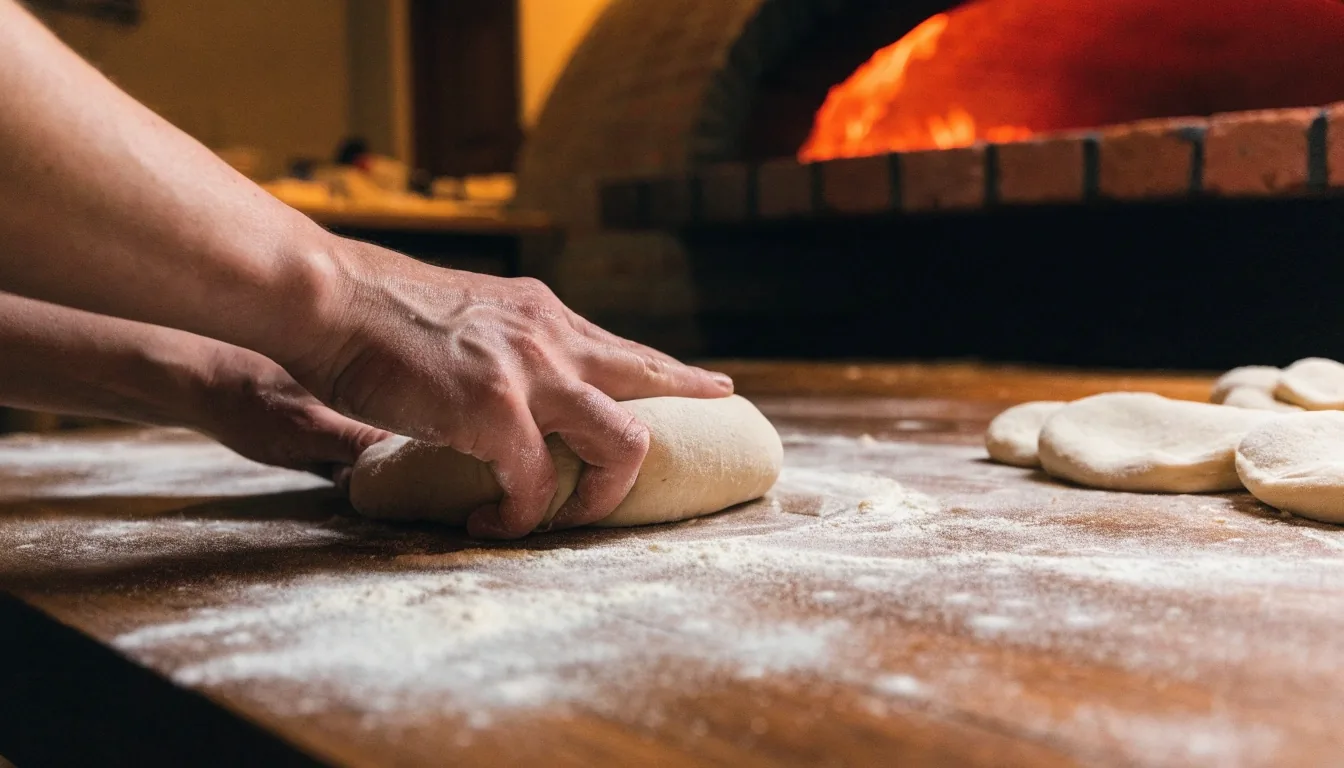
What the History Means for Guests
Expect a regional restaurant with a sit-down identity — not a delivery network.
The Cincinnati origin, the founder story, and the five-state footprint point the same way: a menu of named pies on a thin-crust base, service that shifts by location, Cincinnati as the reference point, and a seasonal calendar that keeps moving while the classics stay where you left them. If you are choosing between dine-in and carryout, start with the room nearest you and read its format first.
Quick answers
When was Dewey's Pizza founded?
In the Cincinnati area in 1998.
Who founded Dewey's Pizza?
Andrew DeWitt, who started the business after returning to Cincinnati in the late 1990s. The brand name comes from his nickname, Dewey.
How many states does Dewey's operate in?
Five: Ohio, Kentucky, Illinois, Kansas, and Missouri.