
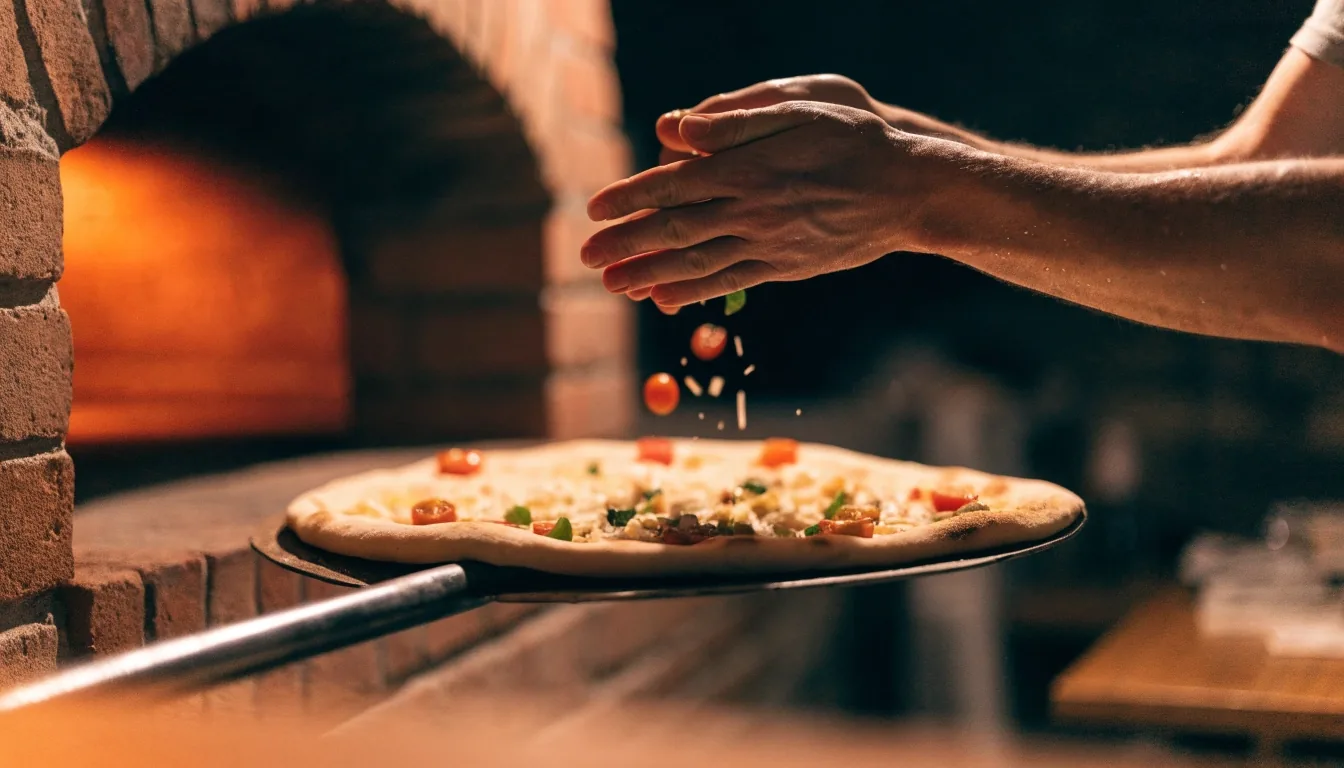
Dewey's Pizza USA — Specialty Menu
Inside the Dewey's Specialty Pizza Menu
Named pies, quiet classics, one crisp crust.
How to read this page
Dewey's Pizza organizes its menu around named specialty pies and a set of classics, all built on a thin crust. Seasonal limited-time pies sit alongside the permanent offerings, so the menu changes through the year without losing its core. This guide explains how to read the menu and what to order for different tastes, whether you eat in the dining room or carry a box home.
How the menu is structured
The menu pairs standard classics with more elaborate topping combinations. That means you can order a familiar pie or a named specialty, and both arrive on the same thin-crust base. For first-time guests, the structure is simple: pick a pie by name, and the ingredient list tells you what you are getting.
Seasonal items appear alongside the permanent lineup rather than replacing it. If you visit Dewey's Pizza in spring and return in fall, the classics will still be there, with something new filed next to them.
Classics
Short ingredient lists built to show crust, sauce, and cheese. Start here if you are new, ordering for kids, or feeding a mixed group.
Thin crust
Named specialty pies
Fixed combinations with their own names and defined character. You choose the pie, the kitchen controls the balance.
House set
Seasonal pies
Limited-time entries that sit next to the permanent menu. Order one beside a classic to taste what the season adds.
Rotating
Visiting with a group? One classic plus one specialty covers familiar and adventurous eaters without a long discussion at the table.
Compare dine-in and carryoutCrust first
Why thin crust changes the order
Thin crust keeps the focus on topping balance, not weight.
A pie loaded with heavy ingredients can overwhelm a thin base, so the kitchen builds combinations with that limit in mind. Sauces stay measured, cheese is scattered rather than piled, and wetter toppings are paired with something that can absorb or lift them.
It also means the pies travel well, which matters for carryout from Dewey's Pizza. The base stays crisp on the drive home instead of steaming soft in the box. If you usually order deep-dish, expect a different meal: lighter, crisper, and easier to finish a few slices of while the conversation continues.
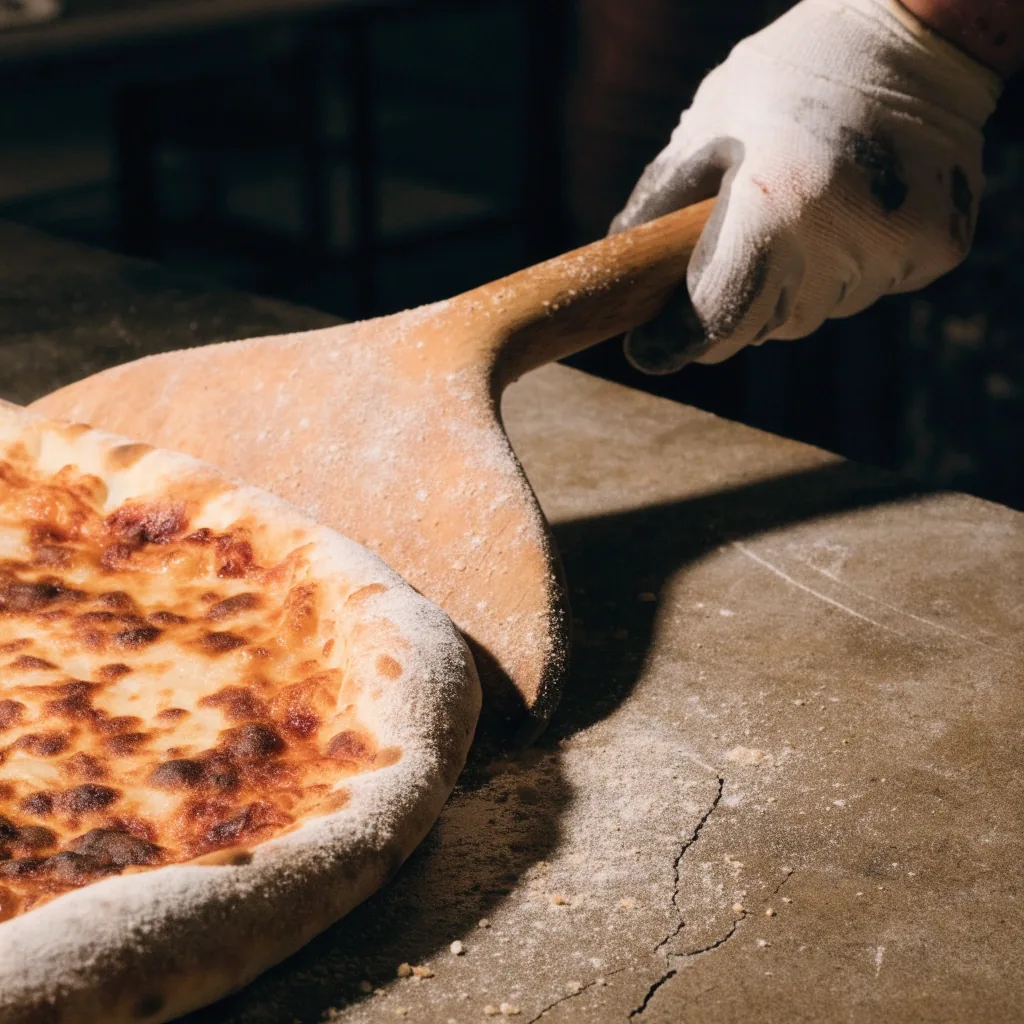
Crust close-up
Cut on the board
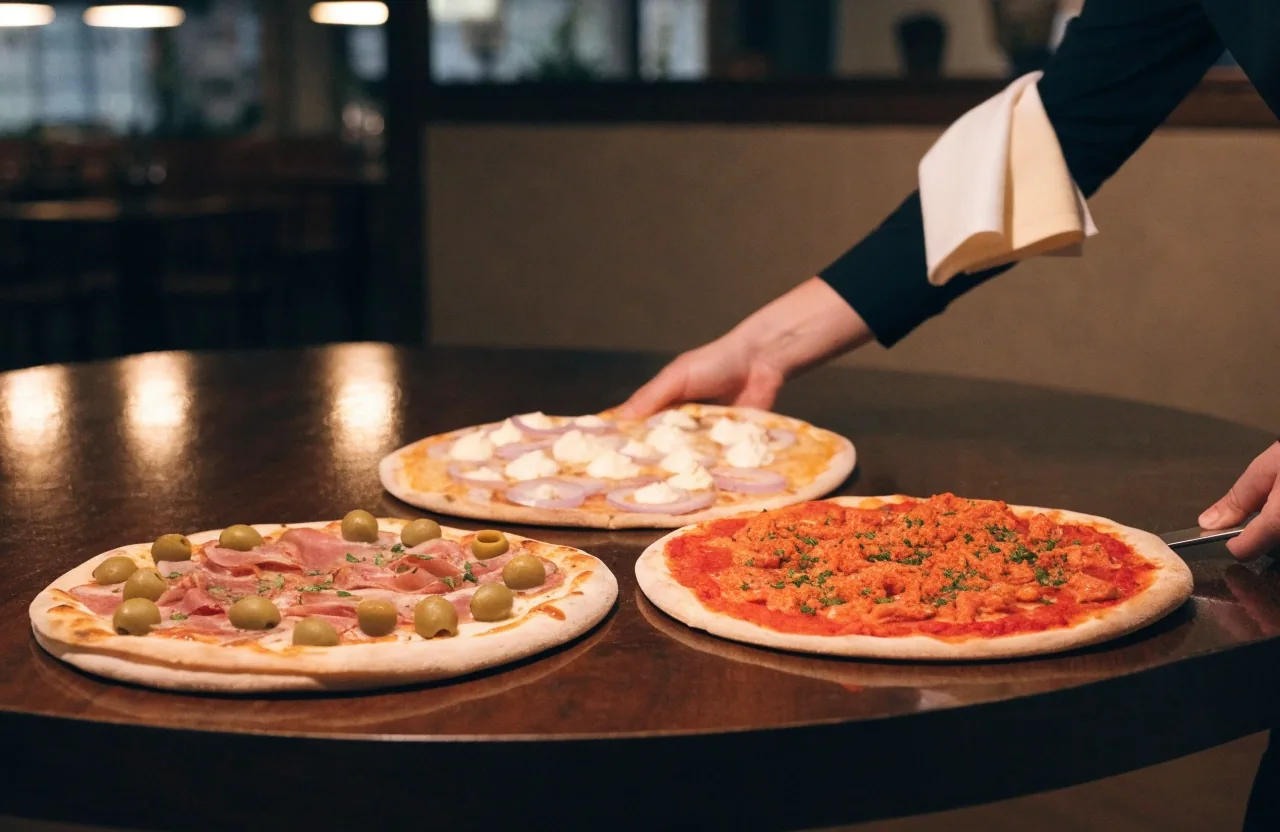
Classics for a baseline, specialties for character
Ordering a classic first is the fastest way to understand the kitchen's approach. The classics give you the crust and the sauce without a long ingredient list in the way. From there, you can judge whether you prefer the simpler pies or the more layered ones.
Start here · Classics
A plain cheese and sauce pie
Tells you everything about bake, salt, and chew. If the crust sings here, the rest of the menu will hold.
A one-topping classic
Pepperoni or mushroom shows how a single topping behaves on thin crust, including oil, moisture, and edge crisp.
A practical note for groups
Classics settle mixed preferences fast. Order one classic you all agree on, then spend your curiosity on the second pie.
Work through · Named combinations
Each pie carries a fixed list
A major part of the brand's identity is built around named specialty pies. Each one has a specific ingredient list, which makes comparison easy across visits to Dewey's Pizza.
Built for repeat visits
The format encourages working through the menu pie by pie. You learn which combinations you return to, rather than rebuilding from scratch each time.
A stronger voice than build-your-own
Each pie has a name and a defined character, so the menu reads like a short list of ideas instead of a blank form.
Seasonal pies on the same menu
Autumn on thin crust
Seasonal limited-time pies sit alongside the permanent offerings. Recent autumn examples include pumpkin-based and harvest-style pies that lean fresh and green rather than heavy.
See the seasonal lineup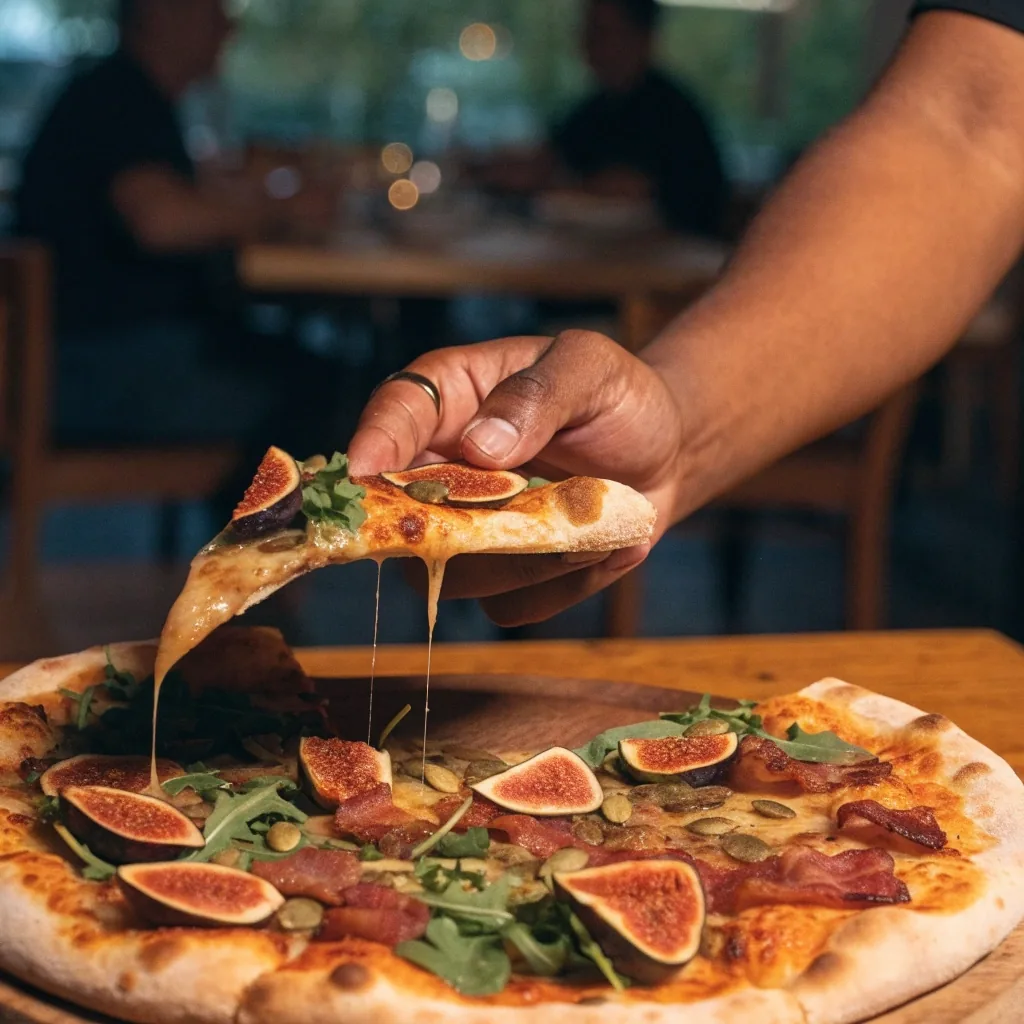
On the board now · The Harvest
Field greens, toasted pumpkin seeds, figs and bacon.
The Harvest features field greens, toasted pumpkin seeds, figs, Boursin cheese, Nueske's applewood smoked bacon, and apple cider vinaigrette. If a seasonal pie is running during your visit, ordering it next to a classic makes for a useful comparison — light against simple.
Seasonal pies rotate through the year. Ask what is on when you arrive, or check the seasonal lineup before you head out.
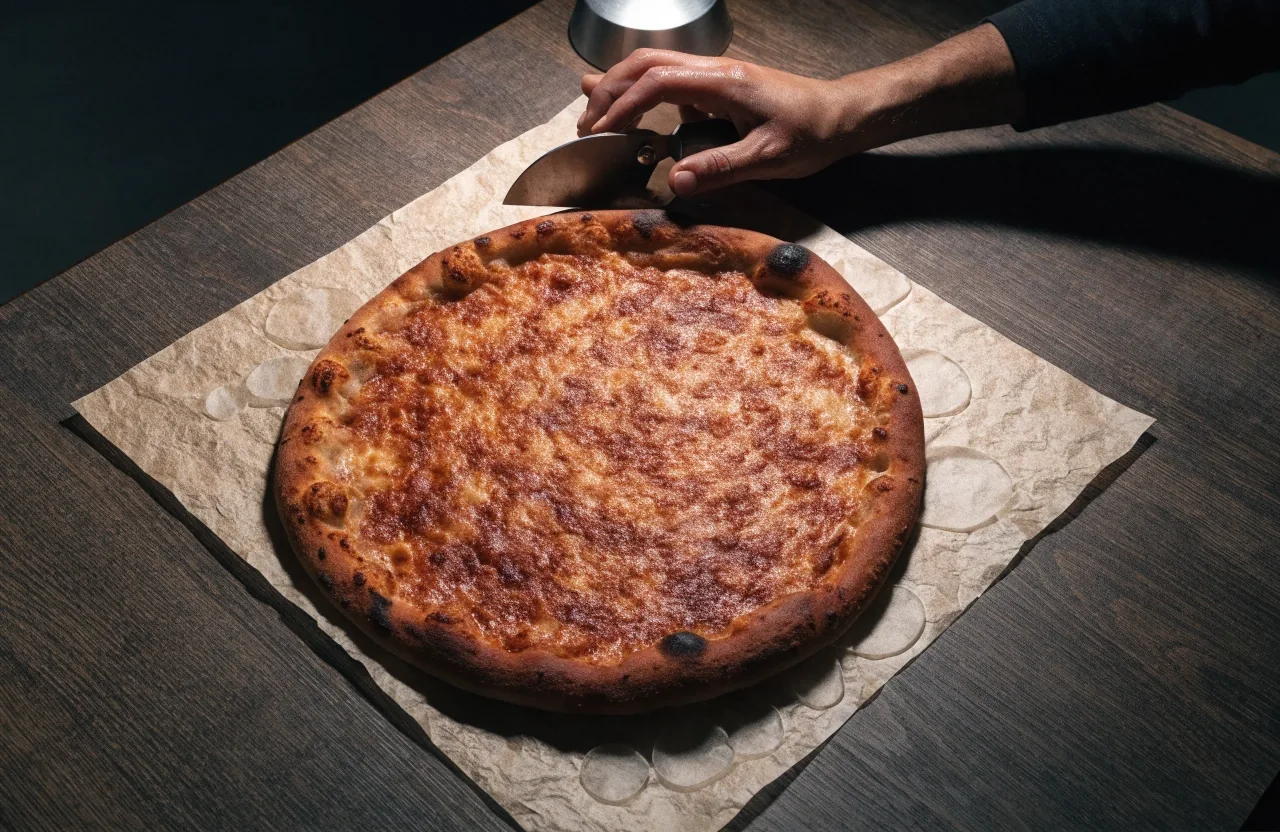
One pie, overhead
Thin, crisp, shareable
A practical first order
Start with one classic and one specialty. If a seasonal pie is on, add it. That gives you the crust, a core combination, and whatever the kitchen is currently featuring. From there, you will know which side of the menu you want to explore next, and you will have a baseline for judging future visits.
For the table
Ordering for different tastes
For a group, mix one classic and one specialty so there is a familiar option and something more adventurous. The menu's named-pie format makes it easy to split the order without explaining toppings to everyone — you just name the pies.
If someone prefers lighter toppings
A salad-like seasonal pie can work better than a heavy combination. Greens, vinaigrette, and a little bacon eat bright on thin crust.
If you are ordering carryout
Thin crust holds up well on the drive. Boxed pies stay crisp longer than thick ones, so specialty combinations arrive close to how they left the oven.
If the table cannot agree
Order the classic whole, and split the specialty. Two pies for four people leaves room to taste without over-ordering.
Trust the combination.
Dewey's leans on named pies rather than a build-your-own free-for-all. That is a deliberate choice: it keeps the menu readable and lets the kitchen control how ingredients balance on a thin base. You still get variety through the seasonal rotation, but the core experience is choosing from a curated list. If you like deciding every topping yourself, this format asks you to trust the combinations instead.
Pairing with the restaurant format
The menu is designed for a sit-down meal as much as a carryout order. Beer-friendly restaurant service is part of the brand's reputation, and the pies are built to work alongside a drink rather than as a rushed bite.
At fuller dine-in locations, you can take your time with the menu. At carryout and counter-service spots, the same pies are packed to travel. The address for the Cincinnati home base is 2658 Observatory Ave, Cincinnati, OH 45208, open Monday through Sunday from 11:00 to 22:00.
Dine in or carry out
Thin-crust specialty pies eat well at the table and ride well in the box. If you are deciding between formats, think about time: dine in when you want to compare two or three pies slowly, carry out when you know your two favorites.
Phone +1-513-321-2339 · [email protected]
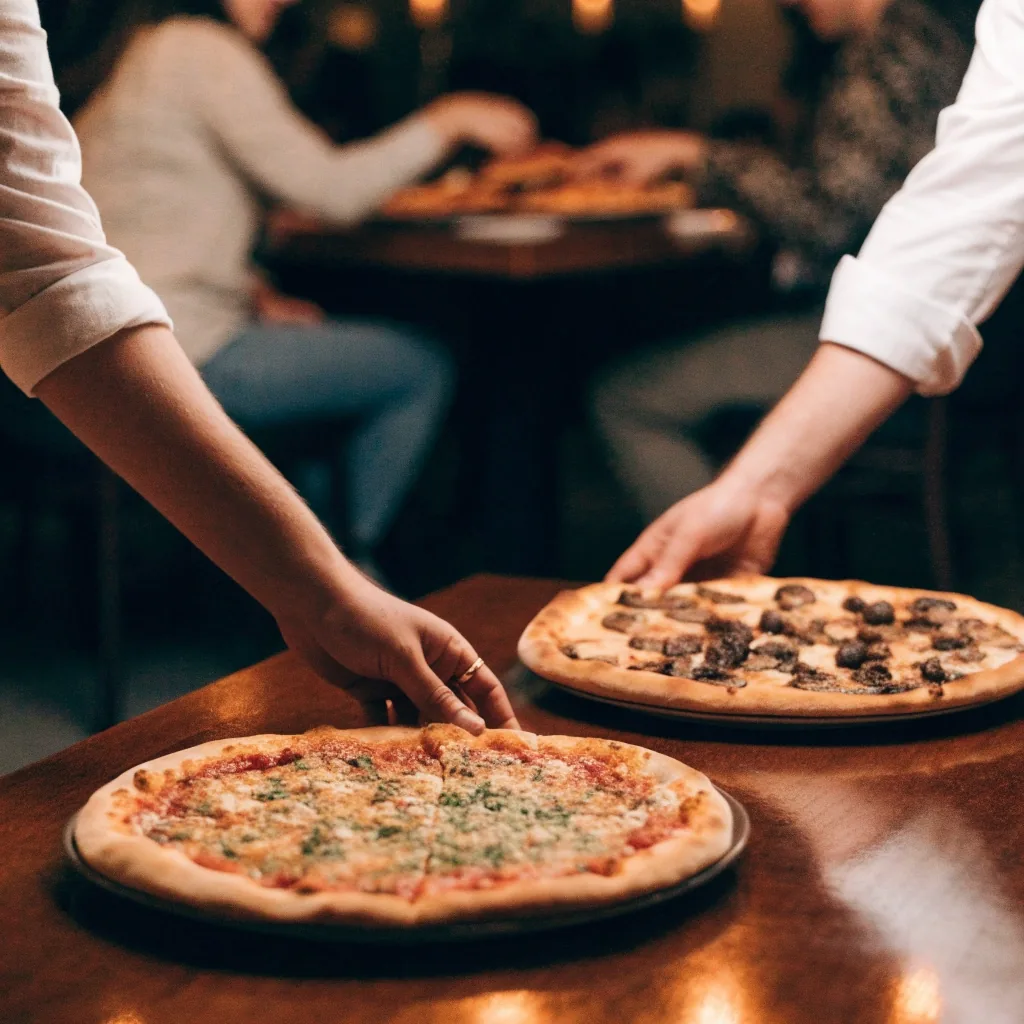
Menu questions, answered
Two short answers that cover what visitors ask most before they order from the specialty menu.
What are the standout specialty pizzas on the current menu?
The menu changes with the seasonal calendar, so the current lineup is the place to check. The permanent side pairs classics with named specialty pies, and seasonal items like the Harvest appear alongside them. Start with one classic and one named pie to learn where your taste sits.
Is the menu build-your-own or preset pies?
Dewey's leans on named specialty pies and classics rather than a build-your-own format, with seasonal pies rotating in alongside the permanent menu. The fixed lists keep toppings balanced on thin crust and keep ordering simple for groups.
Does thin crust work for carryout?
Yes. Thin crust travels well and stays crisp on a short drive, which is one reason the same pies are offered for dine-in and carryout. If you are carrying multiple pies, keep the boxes flat and serve soon after you arrive.
Next step
Pick your two pies, then pick your room.
Check what is seasonal, find the closest dining room or counter, and decide whether you will linger over the menu or carry the boxes home. The specialty menu reads best when you taste it side by side.